
OCD Treatment in Toronto
Evidence-Based Therapy

Obsessive-Compulsive Disorder (OCD) is a mental health condition that affects millions of people worldwide. It is characterized by intrusive unwanted thoughts (obsessions) and may incorporate repetitive behaviours or rituals (compulsions) to reduce anxiety. OCD can be distressing and time-consuming, significantly interfering with daily life, relationships and overall well-being.
Treatment for OCD can provide relief from these symptoms and help individuals regain control over their thoughts and behaviours. Sue Sonshine is a highly experienced therapist who offers specialized therapy for OCD in Toronto using evidence-based approaches to help clients break free from the cycle of obsessions and compulsions.
Understanding OCD and How Therapy Can Help
When OCD takes hold, it can make ordinary moments feel loaded with risk, doubt or a felt sense of pressure. A person may know a fear does not make logical sense yet still feel driven to check, repeat, confess, avoid or mentally review until the discomfort settles. That relief usually does not last. The cycle starts again, often stronger than before.
In my practice OCD treatment is focused on helping clients understand that cycle clearly and respond to it differently. Therapy is not about forcing thoughts away or pretending they don’t exist. It is about changing your relationship with intrusive thoughts, reducing compulsive patterns and building the ability to tolerate uncertainty without getting pulled into rituals.
This matters because OCD is highly treatable when the approach is specific to the disorder. General talk therapy may offer support but evidence-based OCD treatment uses structured sessions that target the mechanisms keeping symptoms going. That is where CBT and ERP therapy in Toronto for OCD become especially important.
What Is OCD?
OCD is a chronic mental health disorder which includes intrusive thoughts, urges or images (obsessions) that can lead to significant distress. In response, individuals engage in repetitive behaviours or compulsions to try to neutralize the anxiety. While compulsions may provide temporary relief, they reinforce the cycle of OCD, which maintains the symptoms over time.
OCD can take many forms, but some of the most common obsessions and compulsions include:
Common Obsessions
- Fear of contamination (e.g. germs, dirt, illness)
- Fear of harming oneself or others
- Unwanted violent or taboo thoughts
- Extreme need for symmetry or order
- Excessive doubt or fear of making mistakes
- Religious or moral obsessions
Common Compulsions
- Excessive hand washing, cleaning or disinfecting
- Checking behaviours (ensuring doors are locked, appliances are off)
- Repeating words, prayers or phrases silently or aloud
- Arranging objects in a specific way to feel just right
- Avoiding certain numbers, words or places to prevent bad outcomes
- Seeking reassurance from others
While many people experience occasional intrusive thoughts, people with OCD find them overwhelming and difficult to dismiss. Compulsions may become so time-consuming that they interfere with daily responsibilities with work, school and relationships.
The Impact of OCD on Daily Life
OCD can affect every aspect of life, making even simple tasks feel overwhelming. Some common challenges faced by individuals with OCD include:
- Struggles at Work or School – Obsessions and compulsions can disrupt concentration, lower productivity and make it difficult to complete assignments or tasks.
- Relationship Difficulties – Family and friends may not understand OCD, leading to frustration, conflicts or strain in relationships. Some individuals may feel compelled to involve loved ones in compulsions, causing even further distress.
- Emotional Distress – OCD often leads to feelings of shame, embarrassment and frustration, contributing to anxiety and depression.
- Avoidance Behaviours – Many individuals with OCD avoid certain situations, places or people that trigger their obsessions, limiting their ability to enjoy life fully.
While OCD is a challenging disorder, effective OCD treatment in Toronto can help individuals break free from its grip and reclaim their lives.
Many people wait longer than they need to before reaching out to an OCD therapist they can trust. Some assume the thoughts are too strange to say out loud. Others worry they will be misunderstood. In reality, OCD often feeds on secrecy, shame and avoidance. Good therapy brings those patterns into the open and treats them with structure, accuracy, and care.
OCD Treatment in Toronto – Therapy That Works
Therapy is the most effective way to treat OCD. Sue Sonshine provides evidence-based OCD treatment in Toronto, helping individuals understand their symptoms, develop coping strategies and reduce compulsions.
Cognitive Behavioural Therapy (CBT) for OCD
Cognitive Behavioural Therapy (CBT) is the gold standard for OCD treatment. This structured, goal-oriented approach helps individuals challenge unhelpful thought patterns and change compulsive behaviours.
CBT for OCD involves:
- Identifying obsessive thoughts and learning how they influence emotions and behaviours
- Challenging distorted beliefs that reinforce OCD symptoms
- Learning healthier ways to cope with anxiety without relying on compulsions
- Developing long-term strategies to prevent relapse and maintain progress
CBT provides individuals with the skills needed to manage OCD symptoms effectively, empowering them to regain control over their thoughts and actions.
Exposure and Response Prevention (ERP) Therapy
Exposure and Response Prevention (ERP) is a highly effective treatment specifically designed for OCD. It involves gradually exposing individuals to their fears (exposures) while resisting the urge to perform compulsions (response prevention).
ERP helps individuals:
- Confront fears in a controlled and structured way
- Reduce the distress caused by obsessions over time
- Break the cycle of compulsions that reinforce OCD symptoms
- Develop confidence in managing anxiety without rituals
With the guidance of an experienced therapist, ERP allows individuals to experience lasting change. Exposure and Response Prevention helps rewire the brain’s response to intrusive thoughts, leading to a reduction in symptoms.
Mindfulness and Acceptance Strategies
Mindfulness-based techniques can be valuable additions to OCD treatment. Learning to accept intrusive thoughts without reacting to them can reduce the power OCD holds over one’s daily life.
Mindfulness helps individuals:
- Recognize intrusive thoughts as just thoughts rather than real threats
- Reduce emotional distress associated with obsessions
- Increase overall resilience and emotional regulation
By incorporating mindfulness, individuals can develop a healthier relationship with their thoughts and reduce compulsive urges.
Compassion-Focused Therapy (CFT)
Many individuals with OCD struggle with self-criticism, guilt and shame. Compassion-Focused Therapy (CFT) can help individuals cultivate self-compassion and reduce negative self-judgment.
Through CFT individuals learn to:
- Develop a kinder, more supportive inner dialogue
- Reduce anxiety and self-blame associated with OCD thoughts
- Improve emotional regulation and resilience
For those who feel overwhelmed at times by guilt or distress, CFT can be a powerful complement to traditional OCD treatment..
OCD treatment with Sue Sonshine in Toronto is active and collaborative. We would look closely at how obsessions, anxiety, rituals, avoidance, and reassurance-seeking interact in daily life. From there, treatment becomes practical. You would learn what to approach gradually and how to respond when OCD thoughts try to pull you back into old habits.
For many clients, anxiety and OCD treatment also means understanding how perfectionism, responsibility, guilt, or intolerance of uncertainty effect symptom severity. That broader understanding helps treatment feel more relevant and more sustainable.
What Progress In OCD Therapy Looks Like
Treatment aims for symptom reduction, stronger coping skills and better day-to-day functioning.
Early Changes
Early progress often shows up as improved awareness. Clients start catching obsessive loops sooner, noticing reassurance-seeking, and understanding what counts as a compulsion. Even before anxiety drops, this clarity matters. It creates room to pause, question old habits, and begin responding with more intention.
Mid-Treatment Gains
As clients continue with ERP therapy they start facing feared situations with less avoidance and fewer rituals. Anxiety may still rise, but it becomes more manageable and less convincing. Repeated practice teaches the brain that distress can be tolerated without checking, confessing, neutralizing or seeking certainty.
Long-Term Stability
Long-term improvement is not about never having intrusive thoughts again. It is about knowing what to do when intrusive thoughts show up. Ongoing OCD therapy supports relapse prevention by strengthening emotional regulation, reinforcing treatment skills and helping clients return to effective responses when stress increases.
Steps in Cognitive Behaviour Therapy Treatment
A typical course of CBT for OCD in my practice usually includes:
- An assessment of symptoms, triggers, compulsions, avoidance patterns and treatment goals.
- Education about how OCD works and what maintains the cycle.
- A treatment plan built around CBT for OCD and ERP exercises.
- Gradual exposure practice with response prevention between sessions and in daily life.
- Review of progress, adjustment of strategies, and work on setbacks without self-judgment.
- Maintenance planning focused on relapse prevention and confidence.
How OCD Therapy Supports Everyday Life
Effective OCD counselling should help outside the therapy room not just inside it. The goal is not simply to feel better during sessions. It is to function with less disruption, make decisions with less mental noise and regain time and energy that OCD has been consuming.
Work and Productivity
At work or school, OCD can slow everything down. Re-reading emails, overchecking details, getting stuck in mental review or avoiding decisions can drain time and concentration. CBT therapy helps clients notice those patterns, reduce rumination and respond more effectively when doubt or fear tries to take over.
Relationships and Boundaries
OCD often affects partners, relatives, and close friends through repeated reassurance requests, confession rituals, or pressure to participate in checking and avoidance. Anxiety and OCD counselling can help clients communicate more clearly, reduce dependence on loved ones for relief, and build healthier relational boundaries.
Emotional Resilience
One of the most valuable outcomes of evidence-based OCD treatment in Toronto is a stronger ability to handle uncertainty. Clients learn that discomfort does not need an immediate fix. That shift builds emotional stability over time and supports recovery across work, family life and other stressors.
Why Work with Sue Sonshine for OCD Treatment?
Expertise in OCD Treatment
Sue Sonshine specializes in OCD treatment in Toronto using proven therapeutic approaches to help individuals free themselves from the grip of OCD. With years of experience in treating anxiety disorders and OCD, she provides compassionate and effective care tailored to each client’s needs.
Evidence-Based Approaches
Therapy is based on scientifically validated treatments such as CBT and ERP with mindfulness and acceptance and commitment strategies, bringing positive outcomes for individuals struggling with OCD.
A Safe and Supportive Environment
OCD can be an isolating condition but therapy provides a judgment-free space to explore your thoughts, emotions and behaviours. Sue Sonshine works collaboratively with each client to build trust and create a personalized treatment plan.
Personalized OCD Treatment Plans
Every experience with OCD is unique. Treatment is tailored to each individual’s specific symptoms, challenges and goals ensuring a customized approach that leads to meaningful progress.
Clients looking for a private OCD therapist in Toronto are often searching for more than general counselling. They want someone who understands ERP and the OCD cycle. That specialization matters especially when symptoms are complex, long-standing or tied to shame.
As one of the OCD specialists in Toronto clients can turn to for structured, evidence-based care, Sue Sonshine focuses on practical treatment that builds skill, insight and independence over time. Sessions are collaborative, direct, and grounded in methods that support measurable progress.
Take the First Step Toward OCD Recovery
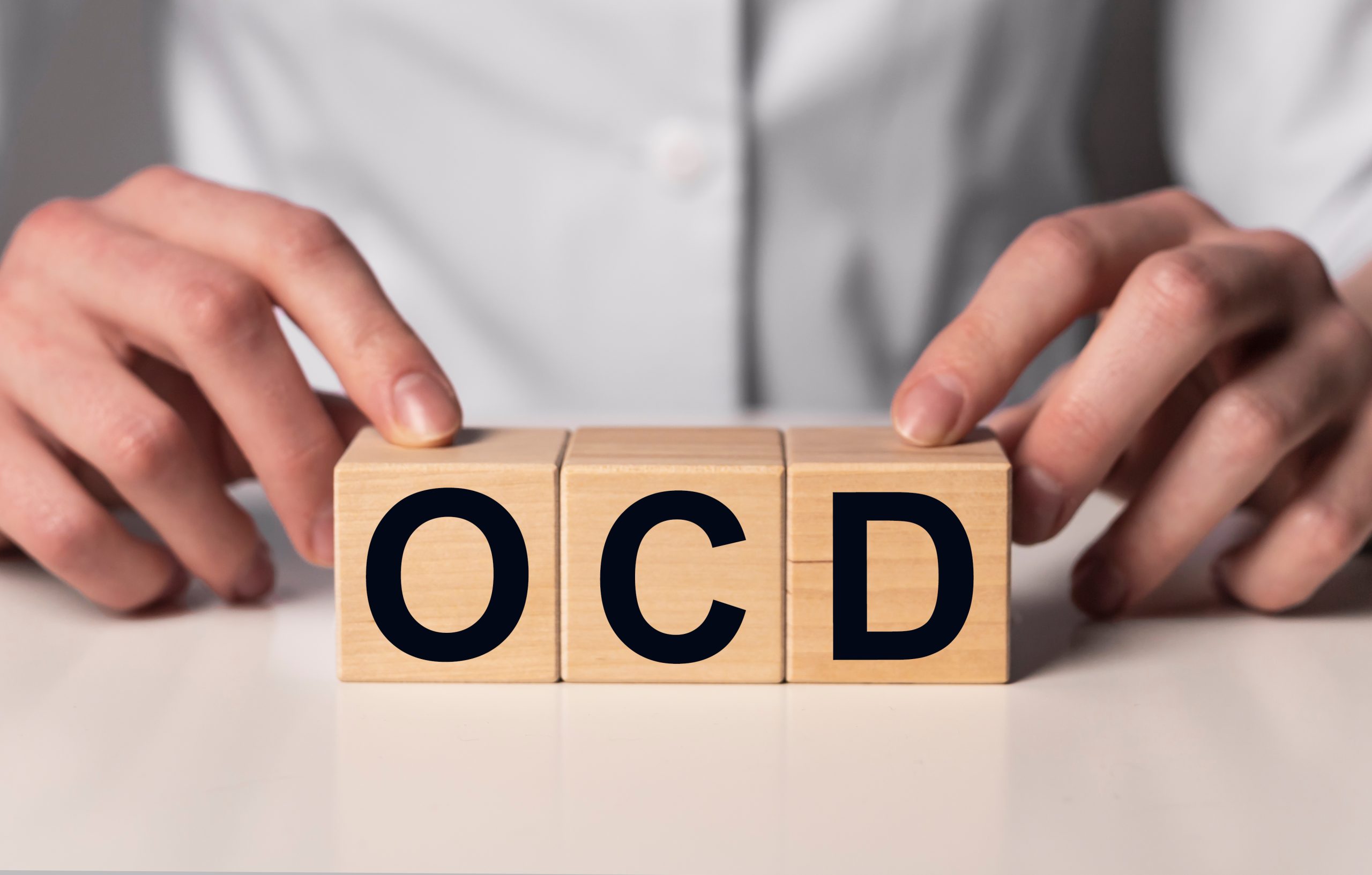
OCD can feel overwhelming but treatment offers a path to relief. With the right support and strategies individuals can break free from compulsions and regain control over their lives.
If you or your loved one are seeking OCD treatment in Toronto, this psychotherapy can make a significant difference.
Start Your Journey Today!
Call [647-560-2763] to book a confidential consultation.
OCD does not have to define your life. Take the first step toward freedom today!
Whether you have been struggling for years or have only recently recognized the pattern, therapy can give you a path forward. If you have been searching for OCD therapy near you, OCD therapy in Toronto, or anxiety and OCD counselling in Toronto, I offer focused support for clients in Toronto, North York, the greater Toronto area as well as through virtual sessions.
Contact us to learn more about OCD treatment in Toronto and how evidence-based care can help you move toward steadier, more manageable daily life.
OCD Treatment FAQ
Where can I find an experienced OCD treatment provider in Toronto and what should I look for?
There isn’t one best OCD treatment provider in Toronto but there should be one who is the best fit for everyone. Look for a therapist with specialized training in CBT and Exposure Response Prevention (ERP), experience treating OCD and an approach that matches your needs and goals.
At our practice, every plan begins with an assessment, a roadmap, and regular progress checks. Clients choose us for our supportive structured, kind care that delivers measurable gains. If you are searching for OCD treatment in Toronto or for an OCD specialist in Toronto, we are here to help.
How do I choose an experienced OCD therapist in Toronto for private sessions?
An experienced OCD therapist in Toronto offers depth of training, a collaborative style and a clear plan using CBT with Exposure and Response Prevention (the gold-standard approach for OCD). Ask the therapist to explain their approach to OCD and check if it includes exposure work, how sessions are paced, and how progress will be measured.
At CBT Toronto private video or in-office appointments are available. Receipts for insurance will be provided. If you need a private OCD therapist in Toronto, book a brief phone consultation today and learn more about how to manage your OCD with CBT Toronto.
What therapy options are available for obsessive-compulsive disorder in Toronto?
Effective OCD treatment usually centers on Exposure and Response Prevention supported by skills from cognitive therapy and acceptance strategies. CBT Toronto provides individual Exposure and Response Prevention with acceptance and commitment therapy tools such as practicing willingness to experience uncertainty without trying to neutralize the anxiety and linking each step forward with your values and changing your response to your thoughts.
We tailor exposures to daily life so gains generalize to work and home. If you are exploring OCD or ERP therapy in Toronto, we can design a plan for you that balances momentum with safety and keeps each step doable.
How does Cognitive Behavioural Therapy (CBT) help with OCD?
Cognitive Behavioural Therapy targets the OCD cycle that maintains obsessions and compulsions. We map triggers, teach you to identify thought traps, and design graded exposures that reduce rituals at your comfort level. You will practice response prevention and track your wins. Sessions end with a simple review plan you can follow during the week. When setbacks happen, we review the issues, adjust the plan, and keep moving forward. If you need CBT for OCD in Toronto with clear structure and steady coaching, our program combines CBT therapy methods with practical tools you can use.
Where can I find evidence-based OCD treatment in Toronto?
CBT Toronto offers evidence-based OCD treatment in Toronto. We deliver ERP as the main intervention, add cognitive skills and tools from acceptance and commitment therapy when useful. Appointments are available online across Ontario and in person in midtown located right beside transit. If you are searching for Evidence-based OCD treatment in Toronto or OCD treatment services in Toronto, start with a free consultation.
Memberships & Accreditations
Active member of the Association for Behavioral and Cognitive Therapies

Certified Diplomate with the Academy of Cognitive and Behavioral Therapies.

Certified Cognitive Behaviour Therapist by the Canadian Association of Cognitive and Behavioural Therapies

Active member of the International Association for Cognitive Psychotherapy

Active member of the Anxiety and Depression Association of America

Affiliate member of the European Association for Behavioral and Cognitive Therapies

Active member of the International OCD Foundation

Certificate of completion of the Behaviour Therapy Training Institute for OCD 2017 offered by the International OCD Foundation Training Institute
Active member of the TLC Foundation for Body-Focused Repetitive Behaviors

Active member of the Association for Contextual Behavioral Science
FAQ
View AllHow does CBT help with anxiety disorders?
CBT helps people with anxiety disorders by teaching them to recognize and challenge unhelpful thoughts and gradually face feared situations. read more
What are the benefits of Cognitive Behaviour Therapy?
There are so many benefits that Cognitive Behaviour Therapy has to offer. read more